10 ways to save water at home
10 ways to save water at home
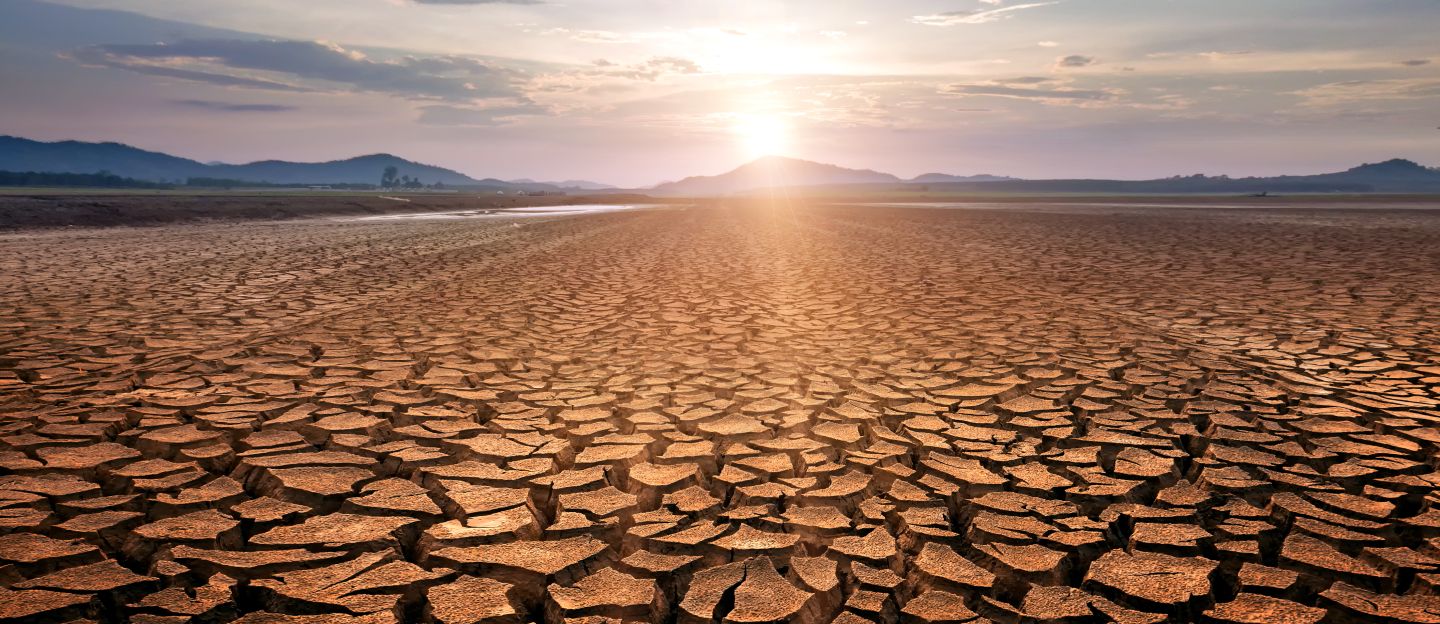
An increase in drought due to climate change means that we must pay more attention to water waste. Water is a fundamental resource for life and everyday use but freshwater reserves are becoming increasingly scarce and require more complex and expensive treatments.
Therefore, it’s important to use water more carefully and sustainably in order to protect this precious resource. Find out how to save water at home with our 10 useful and effective tips to reduce your water footprint without compromising your personal comfort.
1. Check for leaks
A leak in your plumbing system could cause substantial water waste, when you consider that a dripping tap can lose up to 5 litres of water a day. To prevent leaks, you should periodically monitor your home’s plumbing system and repair any leaks straight away.
2. Always remember to turn off the tap
Leaving the tap on while cleaning your teeth can waste up to 30 litres of water each time, while leaving the tap running while washing your hands needlessly wastes 6 litres of water. You should also turn the tap off when shaving in order to avoid wasting up to 20 litres of water with each shave.
3. Wash food in bowls
Washing food under running water causes significant waste as a running tap loses up to 12 litres of water a minute. Therefore, it’s better to wash food in bowls filled with water or wash veg by leaving it to soak in a container with water and vinegar, baking soda or lemon.
4. Use the washing machine and dishwasher with a full load
Washing dishes by hand uses up to 40 litres of water on average, while a high-efficiency dish washer uses 7 to 15 litres without a pre-wash. To optimise your water consumption, it’s best to use the washing machine and dishwasher with a full load, ideally choosing shorter eco-friendly programmes at low temperatures.
5. Install tap aerators
Between 8 and 12 litres of water can run from a tap every minute. By installing a tap aerator with a flow reducer, i.e. a valve that mixes water and air, you can reduce your water consumption by up to 70% without compromising the water pressure. Alternatively, you can use taps with sensors so the water supply is only activated when necessary.
6. Install a dual-button toilet flush
Flushing a toilet uses 9 to 12 litres of water but it can be up to 15 to 16 litres of water in systems with larger tanks. However, by installing a dual-button flush, you can save up to 100 litres of water a day, using only the amount of water necessary for each toilet flush.
7. Choose a shower over a bath
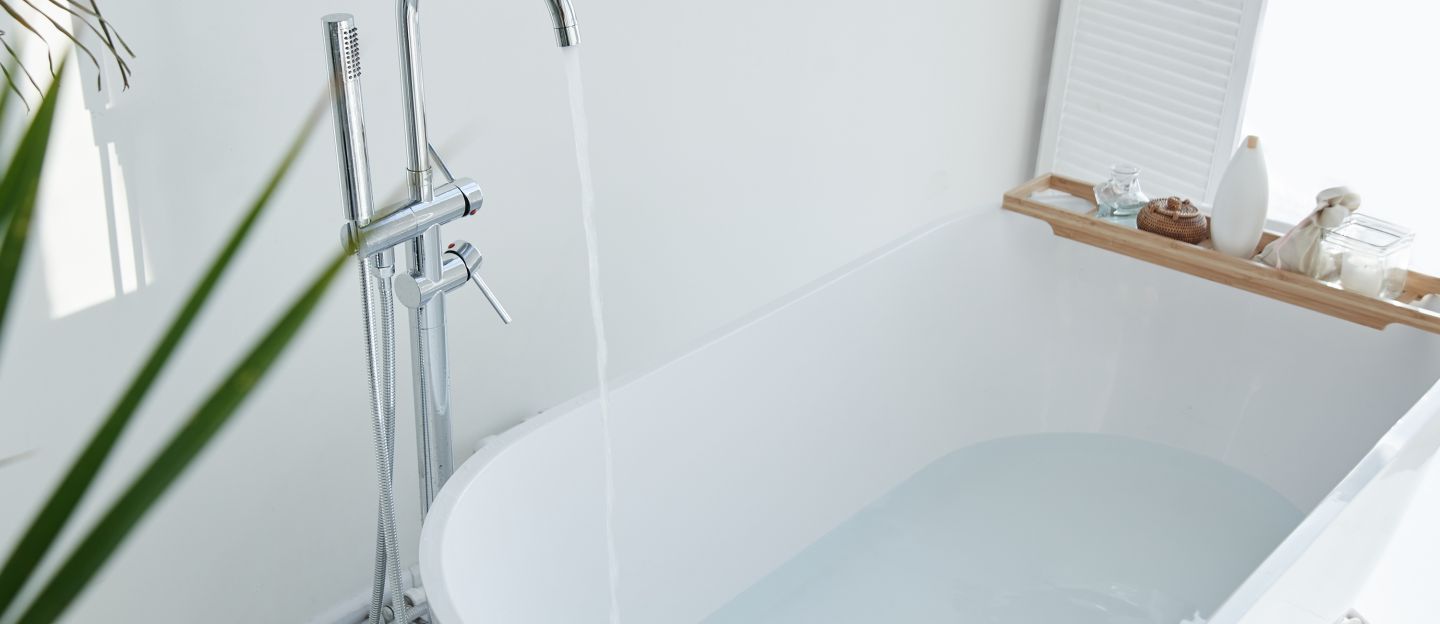
Having a bath is a relaxing and enjoyable experience but it uses a lot of water, from 100 to 160 litres, in fact. Choosing to have a 5 minute-shower instead consumes only 40 litres of water, potentially saving up to 1,200 litres of water a year.
8. Collect rainwater
To reduce water waste and decrease your water requirements, it’s possible to install a rainwater collection system to use this resource when it is not required for drinking water, e.g. for washing the car, cleaning your home or watering the plants. In fact, rainwater is not as hard as drinking water from the tap and is better for plants.
9. Reuse condensation water from air conditioners
Air conditioners cool water inside the home through heat exchange with a refrigerant fluid, which is subjected to various compression, evaporation and condensation processes. One of the waste products is condensation, which is water that can be recovered. This water is demineralised and therefore perfect for ironing. This way you can avoid buying packaged water and will be good for your wallet and the environment..
10. Don’t wash your car too often
Whether you do it in your backyard or at a car wash, washing your car requires a lot of water. To protect this precious resource, let’s try to do it only when really necessary. And to save even more blue gold, if possible, let's try to wash it with a bucket and sponge instead of running water.
Of course, it’s important for everyone to make an effort to save water, and take action in industry, agriculture and the efficient management of water networks. Even simple steps like following our tips will help to reduce your water consumption and protect this essential resource that is becoming increasingly scarce and under threat from climate change.