5 Common Heat Pump Problems and Their Fixes
modified: July 18, 2025
5 Common Heat Pump Problems and Their Fixes
Heat pumps are widely recognized as one of the most efficient solutions for heating and cooling homes. However, they can manifest problems that, if not promptly resolved, can compromise their efficiency and durability. Below, we outline the five most common heat pump problems and strategies to deal with them effectively.
1. Lack of adequate heating or cooling
Possible cause
- Clogged or dirty filters: clogged filters can block airflow, reducing the efficiency of the unit.
- Thermostat malfunction: a faulty or poorly calibrated thermostat may not detect the temperature correctly, causing inadequate operation.
Solutions
- Regular maintenance: it is essential to clean the filters every 6 months and replace them if necessary. We recommend that you always follow the manufacturer's instructions.
- Check the thermostat: ensure that the thermostat is set correctly and functioning properly. If you suspect a malfunction, consider its replacement or professional calibration.
2. Bad odours
Possible causes
- Mold and bacteria growth: condensation and humidity can promote the growth of mold and bacteria inside the unit or in the filters.
- Water stagnation: stagnant water in drainage systems or collection trays can emit unpleasant odors'.
Solutions
- Deep cleaning: regularly clean and disinfect internal components to eliminate mold and bacteria.
- Maintenance of the drainage system: ensure that water can drain freely and that there is no accumulation of debris that can cause stagnation and unpleasant odours.
3. Frequent switching on and off cycles
Possible causes
- Oversizing of the heat pump: a heat pump that is too large for the house can lead to short, ineffective cycles.
- Thermostat or sensor problems: faulty sensors can cause frequent and unnecessary cycles.
Solutions
- Size assessment: ensure that the heat pump is appropriately sizedfor your home’s dimensions and heating/cooling requirements.
- Sensor repair: if the sensors or thermostat are faulty, replace or repair them to ensure proper functionality.
4. Unusual noises
Possible causes
- Loosening of components: loose screws, bolts, or mechanical components may vibrate abnormally and produce unusual sounds.
- Obstructions or debris: foreign bodies in the system may cause noises during operation.
Solutions
- Frequent inspections: periodically ensure that all mechanical components are securely tightened.
- Cleaning the units: regularly ensure that both outdoor and indoor units are free from debris and obstructions that could cause noise.
5. Ice formation on the condenser during winter
Possible causes
- Failure of the defrosting system: if the defrosting system is defective or does not work properly, ice may accumulate on the condenser.
- Inadequate air flow: inadequate air flow around the condenser can prevent proper heat dissipation.
Solutions
- Check the defrosting system: ensure that the defrosting system is functioning properly and have it repaired if necessary.
- Improve air circulation: ensure that there are no obstacles near the outdoor unit and that there is sufficient space for proper air circulation.
Final tips on common heat pump problems
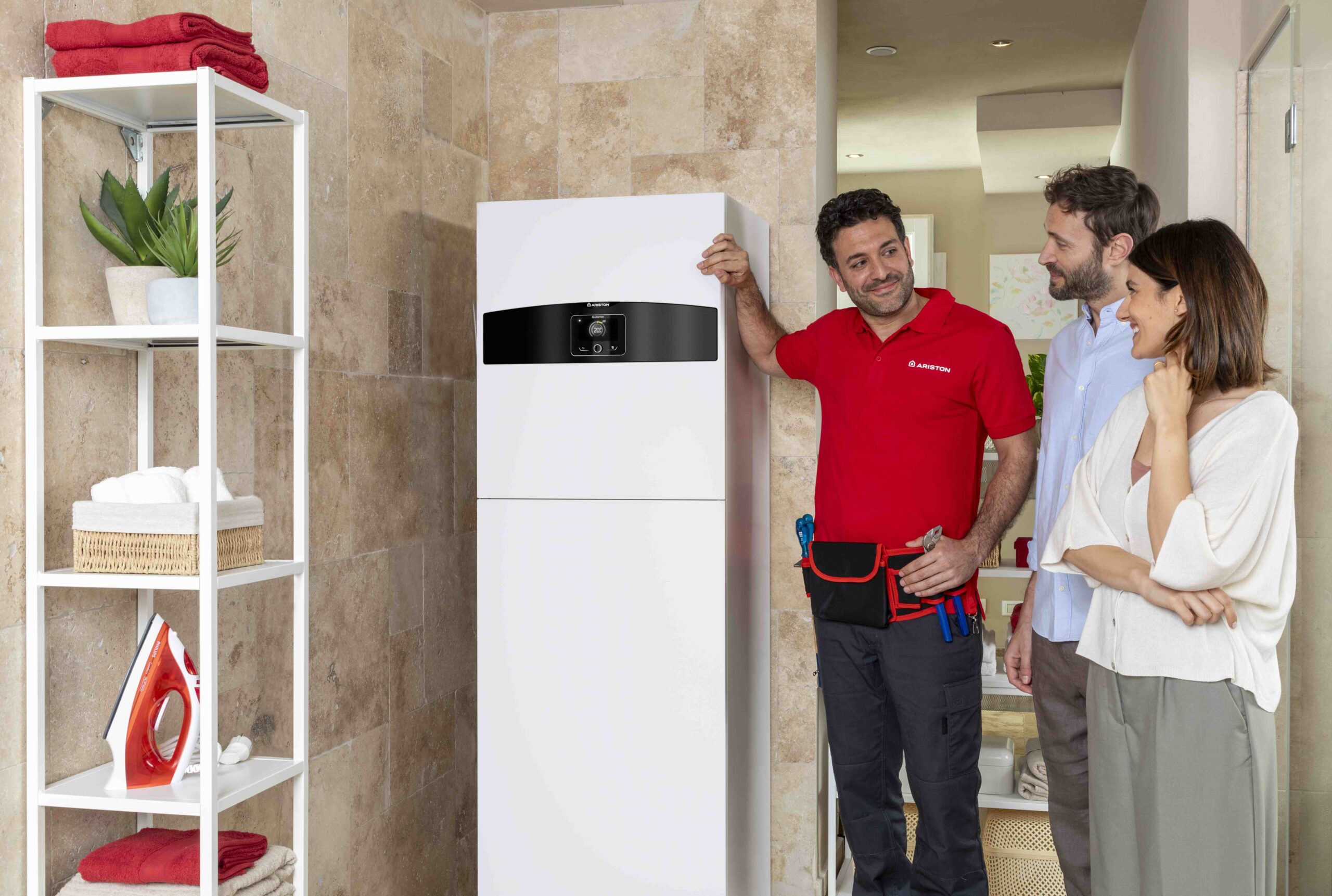
It is advisable to hire qualified technicians for heat pump maintenance and troubleshooting to ensure that the work is performed safely and effectively.
Keeping your heat pump well maintained not only increases efficiency, but also extends the life of the device.